




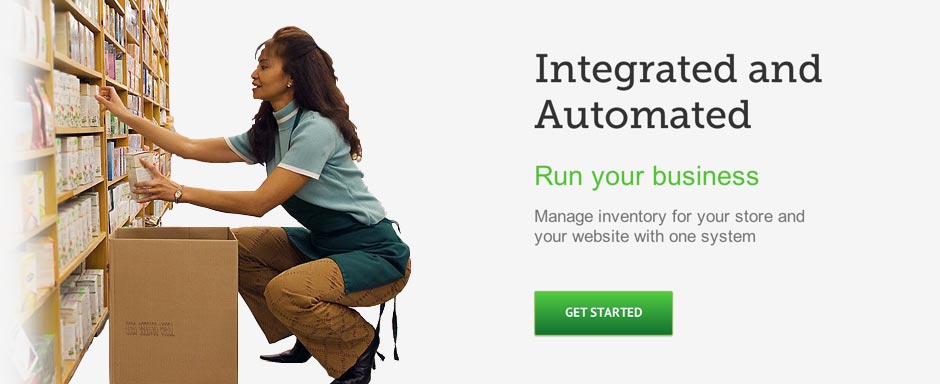

We have been analyzing the NCR Retail Online (NRO) business and our NCR Industry Solutions Board, an internal team that helps set strategy, has decided to set the NRO product to End of Life on March 31, 2018 . The CPOnline Product was also recently announced with an end of life date of September 30th, 2017 . The End of Life terms indicate that all current customers will need to be transitioned off their respective product and the servers turned off by 9/30/17 (CPO) & 3/31/18 (NRO) . Your NCR Counterpoint business partner has been notified of this decision in advance and has started taking steps to help you transition your eCommerce solution.
Next Steps
 As of today, we are encouraging all customers to reach out to your current NCR Counterpoint Partner to begin the transition to a new eCommerce platform. Your partner will be your best resource in planning and transitioning to a new eCommerce solution.
NCR has worked with several partners to create options for your new eCommerce solution. Please refer to the below chart for information about these options. Your partner can provide you with further documentation about these solutions to assist you with the decision process. You can also view a list of FAQ’s about moving from NRO to one of the below options by clicking here .
We will be discussing this transition directly with the users that attend our Synergy User Conference at the end of June. We will be offering a presentation on eCommerce and we will have representatives at the exhibit booth to handle your questions. In the meantime, please reach out to your partner to help determine your next steps.
We appreciate your business and look forward to taking this next, innovative step together.
Recommended eCommerce Solutions
| Solution | Cost | Platform | Additional Notes | ||||||||||||||||||||||||
|---|---|---|---|---|---|---|---|---|---|---|---|---|---|---|---|---|---|---|---|---|---|---|---|---|---|---|---|
| Commerce5 |
|
Magento | Most tightly integrated with Counterpoint and offers the most advanced features | ||||||||||||||||||||||||
| CP Magento |
|
Magento | Integrated with Counterpoint and offers features similar to NRO | ||||||||||||||||||||||||
| CP Shop |
|
Woo Commerce | Catalog, Inventory, and Orders are integrated with Counterpoint | ||||||||||||||||||||||||
Connecting Counterpoint Payments To Your New Ecommerce SiteReplacing NCR Retail Online requires more than moving product pages to a different storefront. Your new ecommerce site must also exchange payment, order, customer, inventory, and refund information with NCR Counterpoint in a dependable way. A well-designed connection keeps online sales visible to store staff while reducing duplicate entry and reconciliation work. Integrating Payment Gateways with Counterpoint and Your New Ecommerce Site means coordinating several systems at once: the shopping cart, payment processor, Counterpoint point-of-sale software, accounting workflows, and fulfillment operations. The gateway authorizes transactions, but the integration determines how those transactions become orders, invoices, inventory changes, and customer records. Because NCR Retail Online was discontinued, many retailers are moving to platforms such as Magento or WooCommerce with assistance from NCR Counterpoint partners. That transition creates an opportunity to review payment architecture instead of recreating old connections without checking whether they still meet current security and operational needs. Map The Payment And Order FlowBegin by documenting what happens from checkout through settlement. A shopper submits payment on the ecommerce site, the gateway authorizes or declines the transaction, and the store platform creates an order. An integration layer then sends the appropriate order details to Counterpoint, where inventory, customer history, tax records, and fulfillment processes can be updated. The process should define when an order is considered paid. Some businesses capture payment immediately, while others authorize a card and capture it when goods ship. This decision affects cancellations, partial shipments, backorders, and refunds. Counterpoint users should agree with their implementation partner on which status controls inventory reduction and which status triggers fulfillment. Also identify every direction in which data must travel. Product prices and stock may move from Counterpoint to the website, while online orders, customer details, payment references, and shipment updates move in the opposite direction. Clear ownership for each data field prevents conflicting updates when an item sells in a store and online within the same period. Choose A Gateway That Fits Your OperationsA payment gateway should be evaluated as part of the entire retail technology stack, not as an isolated checkout feature. Look for support for your preferred card processor, digital wallets, recurring billing if needed, address verification, fraud screening, and settlement reporting. Compatibility with the ecommerce platform is equally important, since a gateway extension may not support every checkout customization. Retailers should distinguish between a gateway and a merchant account. The gateway securely passes transaction information for authorization, while the merchant account receives funds from card sales. Some providers combine both services, but fees, payout timing, chargeback handling, and reporting still require careful review. Counterpoint stores may process card-present transactions through an in-store terminal while online customers pay through a browser-based checkout. These channels can use the same processor without using identical configurations. Ask whether refunds, voids, and reporting can be tied together, and whether staff can recognize an ecommerce transaction without exposing sensitive card information. Protect Cardholder Data Across SystemsThe new site should use hosted payment fields, tokenization, or a provider-managed checkout wherever practical. These approaches keep raw card numbers away from the ecommerce application and Counterpoint database, reducing the scope of PCI DSS obligations. A token can identify a payment method for an approved follow-up action without revealing the original card number. Security also depends on the connection between systems. Use encrypted API traffic, unique credentials, restricted permissions, and separate test and production accounts. Webhook notifications should be verified before they update an order, because an unvalidated callback could falsely mark an order as paid or trigger shipment. Do not treat payment security as a one-time launch task. Review gateway credentials, administrator access, software updates, logs, and failed synchronization events regularly. Establish a process for responding to a disputed payment, a suspicious order, or an integration outage before these events affect customers. Compare Integration ModelsThe right connection depends on the ecommerce platform, the version and configuration of Counterpoint, the partner’s available connectors, and the retailer’s order volume. A prebuilt connector may reduce implementation time, while a custom API integration can support specialized workflows that standard modules do not cover.
Retailers should favor a model that provides visible error handling. A successful payment with a failed order import is more serious than an ordinary software warning, so the integration needs alerts, retry rules, and a searchable activity log. Staff should be able to see whether a transaction is authorized, captured, imported, refunded, or awaiting action. Prepare Products And Customer RecordsPayment integration cannot compensate for unreliable catalog data. Before launching the new storefront, review item numbers, variants, prices, tax categories, stock quantities, customer accounts, and shipping rules. Consistent identifiers are essential because the ecommerce platform and Counterpoint must agree that the same SKU represents the same sellable item. Migration planning should include more than product descriptions and images. Review the available export formats for migration when deciding how historical orders, customer records, and catalog data will be transferred. The format affects field mapping, cleanup effort, and whether a partner can automate the import. Use a controlled sample before moving the full catalog. For example, test products with variations, discounts, taxable and nontaxable status, low stock, and discontinued status. A home goods retailer might use several cookware products to verify images, dimensions, shipping classes, inventory quantities, and payment-to-order behavior from checkout through fulfillment. Test Refunds, Shipping, And ReconciliationA payment connection is incomplete until it handles exceptions. Test full refunds, partial refunds, canceled orders, declined cards, duplicate submissions, expired authorizations, address mismatches, and orders that contain both available and backordered items. Confirm which system initiates each action and how the result appears in the other systems. Shipping events deserve the same attention. If payment is captured at shipment, verify that the fulfillment status reaches the gateway correctly. If payment is captured at checkout, confirm that cancellations and partial shipments produce the right refund amounts. Test shipping charges, taxes, discounts, gift cards, and promotions together because rounding or allocation errors can create reconciliation problems. Compare gateway settlement reports with Counterpoint sales records and ecommerce order totals during the pilot. The amounts may differ in timing because a gateway settles in batches while the store records orders individually. Document expected differences, processor fees, chargebacks, and refunds so accounting staff can identify genuine errors quickly. Establish A Launch And Support ChecklistA careful rollout reduces risk without forcing the business to pause all online sales. Use a staging environment with realistic products and test payment credentials, then repeat the most important scenarios in production before public launch. Keep the old records accessible for customer service and accounting, even if the former storefront is no longer active.
Assign responsibility for monitoring after launch. Someone should review synchronization logs and payment settlements daily at first, while the Counterpoint partner or integration provider handles technical defects. A documented escalation path prevents staff from repeatedly retrying an order and accidentally creating duplicates. Once the connection is stable, review performance after the first settlement cycles. Look for abandoned checkouts, authorization failures, delayed imports, stock discrepancies, and customer service contacts related to payment status. These findings can guide configuration changes without compromising the core transaction flow. Moving from NCR Retail Online to a new ecommerce platform is a practical chance to create a cleaner payment and retail system. Select a gateway that supports your sales model, keep sensitive data out of unnecessary systems, validate every status transition, and make reconciliation part of the design from the beginning. Work with an experienced NCR Counterpoint partner to map your current processes, choose the Magento or WooCommerce connection that fits your operation, and test the payment workflow before customers depend on it. A properly planned integration can make the platform transition easier while giving your team clearer control over orders, inventory, refunds, and revenue. |
|||||||||||||||||||||||||||
After you have completed your move to a new eCommerce platform, don’t forget to submit the Store Closure Request form to close your NRO site and cancel your billing subscription.